Standing up to racism: Reuniting our movement
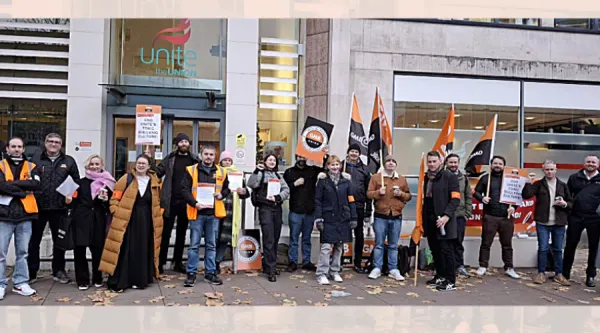
Where is Unite in the fight against the far right?
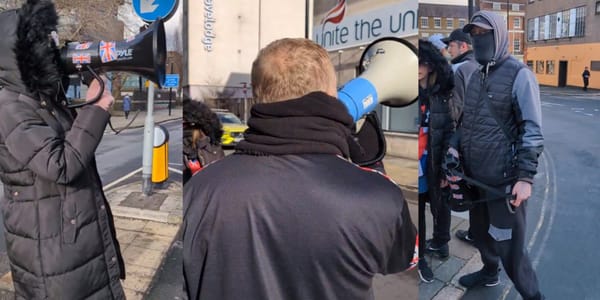
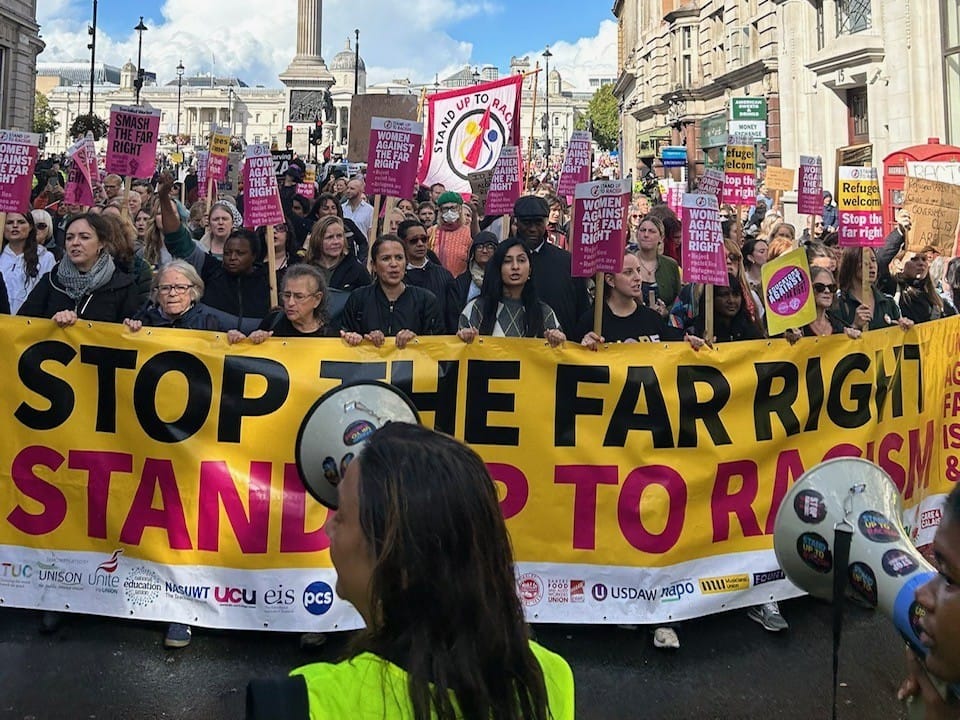
Saturday’s far right ‘Unite the Kingdom’ rally put over 100,000 people onto the streets of London. While significantly smaller, the thousands who marched on the Stand up to Racism counter-demonstration made an important statement that our movement will not be cowed into silence.
Several unions mobilised their members and General Secretaries to attend. It is clear that the total silence from Unite officially severely limited turnout from our union. Our spokesperson, Onay Kasab, concentrated most of his comments on the Birmingham bin dispute. While industrially and politically important, Unite needed to set out a much stronger message about our union's unique role in the fight against the far right. It is quite likely that our union had more industrial members at the rally than at the counter-demonstration.
As we face an emboldened far right, fuelled by the money of tech billionaires, we must ask ourselves: Where do we go from here?
We need to push back. This is why the counter-demonstration was so important. We must have the confidence to speak to people and win them back, but we must also show where the line is. As trade unionists we have that duty to the whole of the working class and those under attack. Every migrant worker. Every racial background. Every gender or sexuality. Not one of us can be sacrificed for the sake of appeasement. Reactionary hate is becoming mainstream, but it was mainstream when we challenged it last time. We must have no fears of going against the grain again.
We cannot retreat into industrial or cultural comfort zones. We cannot retreat and cut ourselves off from the people being lured to the far right. They are our people. Our priority, naturally, is to deliver for our members but we must also reach beyond our places of strength.
The industries which traditionally would have offered many a future and an alternative collective identity continue to be hollowed out. It is not sufficient for the important sites which we fight to defend to then become islands in a wider sea of precarity and despair.
No appeals to our alternative values and collective culture will land unless they are connected to material reality. Millions of unorganised or self-employed workers are one payment away from disaster. They don’t have sick pay. They don’t have holiday pay. They work alone in an unkind world which is out to do them over at every turn. None of this is the fault of refugees. None of this is solved by throwing back the hard fought progress of women. None of this is solved by attacking trans people. Yet it is little wonder that these men (and women) are lured – no, attracted – into an online culture and street politics of hyper-individualism, toxic masculine grievance and the rallying against elites.
We need to out organise the far right. This is the lesson internationally, from Europe and the Americas. We have to prove we can win what the far right cannot. To do that we need to understand how the industrial landscape has changed, is changing and prove through results that our strategies have changed accordingly.
We must be the insurgents. For over a decade the far right have had a near monopoly on insurgency. Many twenty somethings have not known a political world where Nigel Farage is not at the forefront of dissent aside from the Strike Wave years immediately after the pandemic. We must be the insurgents against the elites. We cannot just call on political leaders to act, we have to show we can make them. This is a task only made harder if we have a confused relationship with the party of government.
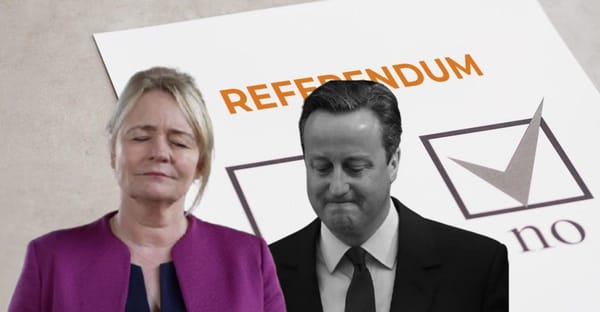
We must fix our coalition to break theirs. There’s no doubt a wedge has been driven between unions and swathes of our industrial membership. Nearly a decade on from the Brexit referendum it is now possible to march 100,000 people through that gap. We need to close it.
First we must be clear what we stand for. There can be no compromises to our solidarity. We must then prove collectivism offers both protection and betterment. That has to mean within the workplace, but also socially. We have to have a clear political and industrial vision.
It’s time to reunite to win it.